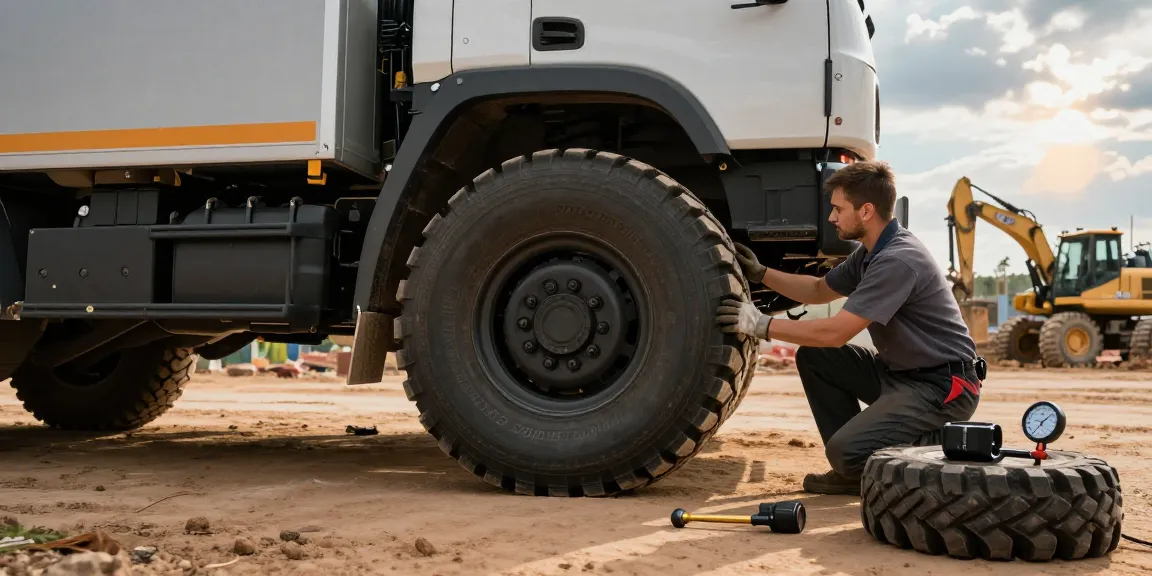
Understanding the RR99 Tire Series
The RR99 tire series stands out in the competitive landscape of commercial tires, designed specifically for mixed service applications. Developed to provide versatile performance on a variety of terrains, the RR99 series has quickly gained traction among fleet operators and transportation professionals. As we dive deeper into the nuances of the RR99, it becomes clear that this tire offers a unique blend of innovation and durability that sets it apart from other options in the market. When exploring options, RR99 provides comprehensive insights into its capabilities.
What Makes the RR99 Unique?
The RR99 series is engineered to cater to mixed service environments, combining features that enhance adaptability and resilience. Its unique tread design allows for superior grip on both wet and dry surfaces, vital for vehicles operating across diverse conditions. The tire's robust construction ensures longevity while handling heavy loads, appealing to businesses that prioritize reliability and performance.
Key Features of RR99 Tires
- All-position tread pattern: This design facilitates even wear and stability, making it suitable for various types of vehicles.
- Enhanced traction: Deep grooves and flexible rubber compounds improve grip, allowing for safe navigation in different weather conditions.
- Durability: Constructed from high-quality materials, the RR99 is resistant to cuts and chips, extending its service life.
- Performance optimization: Designed to handle heavy loads without compromising the ride quality or vehicle control.
Applications for RR99 in Various Industries
The versatility of RR99 tires makes them ideal for a range of industries, including construction, refuse collection, and distribution. Their ability to perform reliably in both urban environments and off-road conditions means they can be deployed across multiple vehicles, from delivery trucks to heavy-duty construction equipment. This adaptability contributes to lower operational costs and increased efficiency for fleet managers.
Performance Metrics and Safety Ratings
Understanding how to assess tire performance is crucial for maximizing the benefits of your investment. The RR99 series excels in categories such as traction, durability, and fuel efficiency. Many fleets have reported reduced maintenance costs and extended service intervals, further validating the quality of these tires.
How to Assess Tire Performance
To evaluate tire performance effectively, fleet managers should consider metrics such as tread wear, grip on various surfaces, and rolling resistance. If a tire performs well across these indicators, it significantly contributes to overall vehicle efficiency and safety. Additionally, regular assessments and tire rotations can enhance performance longevity.
Safety Standards and Certifications
RR99 tires meet stringent safety standards, ensuring they can withstand the rigors of mixed service applications. Their certification from recognized organizations underlines their reliability, giving fleet operators peace of mind when deploying these tires in critical operations.
Comparative Analysis with Competitors
When comparing RR99 tires with competitors, it becomes evident that they often outperform in durability and versatility. While some alternatives may provide similar initial traction, the long-term value of RR99 in terms of tread life and overall performance frequently makes them a wiser choice for fleet management.
Best Practices for Maintenance
Maintaining optimal performance from your RR99 tires requires a commitment to routine checks and best practices that can enhance their lifespan. By implementing best practices, operators can ensure safety and reliability in their fleets.
Routine Checks for Longevity
- Tire pressure maintenance: Regularly check and maintain proper tire pressure to optimize fuel efficiency and handling.
- Tread depth inspections: Monitor tread depth to ensure adequate grip, especially in adverse weather conditions.
- Visual inspections: Look for signs of wear, damage, or foreign objects embedded in the tire.
Optimal Installation Techniques
Proper installation is critical for tire performance. Ensure that your RR99 tires are installed by qualified personnel who understand the required torque specifications and alignment settings. Misalignment can lead to uneven wear, which can significantly reduce tire lifespan.
Seasonal Maintenance Best Practices
As seasons change, so do the demands on your tires. It's advisable to adjust your tire maintenance routine based on seasonal conditions. For example, ensuring adequate tread depth before winter can prevent slipping in icy conditions, while ensuring that tires are free from debris during summer can enhance performance.
Cost-Benefit Analysis of Investing in RR99 Tires
Investing in RR99 tires can yield significant returns over time, particularly when considering not just the initial purchase price, but also long-term savings through reduced maintenance and fuel efficiency.
Initial Pricing vs. Long-term Savings
While RR99 tires may be priced at a premium compared to lower-end alternatives, their durability and performance often translate into lower costs per mile driven. Businesses should evaluate the total cost of ownership when considering tire investments.
Evaluating ROI based on Performance
Fleet operators can calculate return on investment (ROI) by comparing the performance metrics of RR99 tires with their total cost. Factors such as decreased downtime, longer service intervals, and lower fuel consumption should all contribute to a favorable ROI assessment.
Consumer Testimonials and Case Studies
Further validating the RR99's effectiveness, numerous fleet owners have shared positive testimonials highlighting the tires' performance and reliability. Case studies show that fleets which adopted RR99 tires reported improvements in operational efficiency and reductions in overall costs.
Future Trends in Tire Technology for Mixed-Service Vehicles
As the tire industry evolves, keeping abreast of emerging trends will help businesses stay competitive. The RR99 series is adaptable, which positions it well in the face of upcoming innovations in tire technology.
Innovations Expected by 2026
By 2026, advancements in tire technology are expected to focus on sustainability and enhanced performance metrics. Innovations such as eco-friendly materials and smart tire technology could redefine how tires are manufactured and monitored in real-time.
Sustainability Practices in Tire Manufacturing
With increasing awareness of environmental impacts, tire manufacturers are focusing on sustainable practices. The incorporation of recycled materials and reduced carbon footprints in production processes could become the standard, reshaping consumer expectations.
What to Expect in Market Demand
As industries continue to prioritize efficiency and sustainability, the demand for high-performance tires like the RR99 is anticipated to grow. Early adopters of these trends may gain competitive advantages in terms of cost savings and brand reputation.
How Can RR99 Stay Ahead?
To maintain its market position, the RR99 series must continue innovating and addressing consumer needs proactively. Keeping pace with technological advancements and actively engaging with customer feedback can provide insights that drive future improvements.